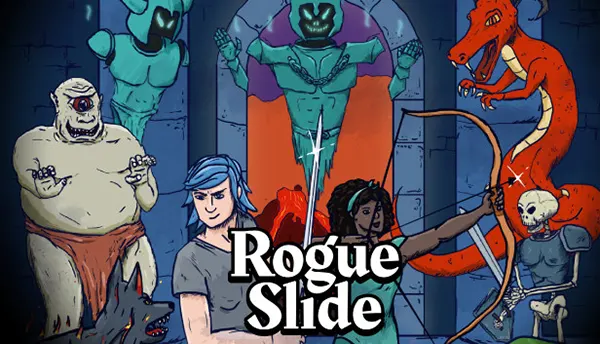
RogueSlide: How Mobile Roguelike Games Are Reshaping Short Play Sessions in 2026
Mobile gaming in 2026 continues to evolve around convenience, flexibility, and meaningful progression. Among the genres benefiting most from these changes are roguelike games, a category once associated mainly with lengthy PC experiences. RogueSlide represents a broader trend in which developers adapt roguelike mechanics for players who prefer brief but rewarding gaming sessions throughout the day. Advances in smartphone hardware, cloud synchronisation, AI-driven balancing systems, and improved touch controls have allowed modern roguelike titles to deliver depth without demanding hours of continuous play. As a result, short sessions are no longer viewed as a limitation but as a core design principle that influences progression systems, combat mechanics, and player retention.
The Rise of Session-Focused Roguelike Design
Traditional roguelike games often required players to commit significant amounts of time to a single run. In contrast, modern mobile releases are increasingly structured around sessions lasting between five and fifteen minutes. Developers recognise that many users play during commutes, breaks, or short periods of free time. This behavioural shift has encouraged the creation of compact gameplay loops that still preserve strategic depth.
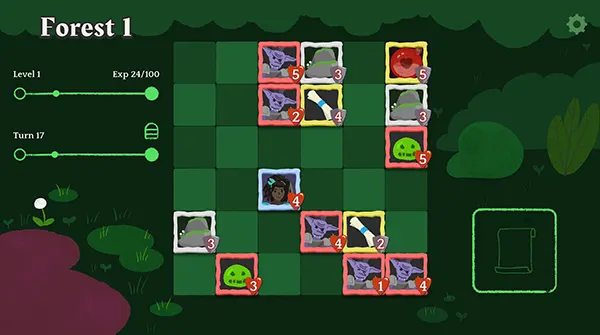
Games inspired by the RogueSlide concept typically divide progression into clearly defined stages. Instead of asking players to complete lengthy dungeons in one sitting, they present segmented encounters that can be finished quickly. Progress is frequently saved between stages, allowing players to continue later without losing momentum. This approach reduces frustration while maintaining the unpredictability that makes roguelike games appealing.
Data collected by mobile analytics companies throughout 2025 and early 2026 shows that shorter gameplay sessions often contribute to stronger long-term engagement. Players are more likely to return multiple times per day when progression feels achievable within limited time windows. Developers have responded by designing content that rewards consistency rather than marathon play sessions.
Why Randomisation Works Well in Short Sessions
Procedural generation remains one of the defining characteristics of roguelike games. In a mobile environment, this feature helps ensure that even brief sessions feel distinct from one another. Players can experience new enemy combinations, layouts, abilities, and rewards every time they launch the game.
The random nature of roguelike progression also creates a sense of anticipation. A player may only have ten minutes available, yet that short period can still produce unexpected encounters and strategic decisions. This unpredictability keeps sessions engaging without requiring lengthy narrative sequences or extensive preparation.
Modern mobile roguelikes increasingly use adaptive algorithms that analyse player behaviour and adjust difficulty patterns accordingly. Rather than relying solely on fixed randomisation, these systems create encounters that remain challenging while avoiding excessive difficulty spikes. This balance helps maintain enjoyment during short play periods.
Technology Driving the Evolution of Mobile Roguelikes
Several technological developments have influenced the growth of mobile roguelike experiences in 2026. Contemporary smartphones possess processing power that rivals dedicated gaming hardware from previous generations. This improvement enables developers to create more sophisticated procedural systems, larger environments, and advanced visual effects without compromising performance.
Cloud-based progression systems have become particularly important. Players frequently switch between devices, and synchronised saves allow them to continue their progress instantly. Whether moving from a smartphone to a tablet or upgrading to a new device, users can maintain uninterrupted access to their achievements and unlocks.
Artificial intelligence is also playing a growing role in content generation and gameplay balancing. Some modern roguelikes use machine-learning models to analyse how players interact with weapons, abilities, and progression paths. Developers can then refine balance updates more efficiently, ensuring that no single strategy dominates the experience.
User Experience and Accessibility Improvements
Touchscreen controls have undergone substantial refinement over recent years. Developers now build interfaces specifically for mobile interaction rather than adapting designs originally created for keyboards or controllers. As a result, movement, combat, inventory management, and skill selection can often be performed with a small number of intuitive gestures.
Accessibility has become another important area of innovation. Many roguelike games now include customisable control layouts, scalable interface elements, colour-contrast settings, and gameplay assistance features. These additions help make complex systems accessible to a wider audience without reducing strategic depth.
Battery efficiency has also received greater attention. Mobile gamers increasingly expect high performance without excessive power consumption. Optimised engines and adaptive graphical settings allow players to enjoy visually detailed experiences during short sessions without significantly affecting device battery life.
How RogueSlide Reflects Broader Gaming Trends in 2026
The popularity of RogueSlide-style design reflects a larger transformation across the mobile gaming industry. Modern players often value flexibility over extended commitment. This does not mean they prefer simpler games; instead, they want experiences capable of delivering meaningful progression regardless of available time.
Many successful mobile titles now combine roguelike mechanics with elements borrowed from action games, strategy experiences, role-playing systems, and deck-building concepts. This hybrid approach creates diverse gameplay structures that appeal to both experienced enthusiasts and newcomers. The roguelike framework serves as a foundation for experimentation rather than a rigid genre definition.
Live-service support has further strengthened player engagement. Seasonal content, rotating challenges, limited-time events, and evolving progression systems encourage regular participation without requiring daily hours of gameplay. Players can remain competitive and involved even when playing only in short intervals.
The Future of Short-Session Roguelike Gaming
Industry analysts expect the demand for session-friendly games to continue growing beyond 2026. Mobile users increasingly seek entertainment that adapts to their schedules rather than forcing lengthy commitments. Roguelike mechanics align naturally with this preference because every run can function as a complete experience while still contributing to long-term progression.
Developers are also experimenting with more advanced procedural storytelling systems. Future roguelikes may generate personalised narratives that evolve according to player decisions, creating a stronger emotional connection without increasing session length. This could help bridge the gap between narrative-focused and gameplay-focused experiences.
RogueSlide symbolises a broader design philosophy that values efficiency, replayability, and player autonomy. By transforming traditional roguelike concepts into experiences suited for modern mobile habits, developers have demonstrated that short gaming sessions can deliver depth, challenge, and meaningful progression. As technology and design practices continue to advance, this approach is likely to remain a major influence on mobile gaming for years to come.