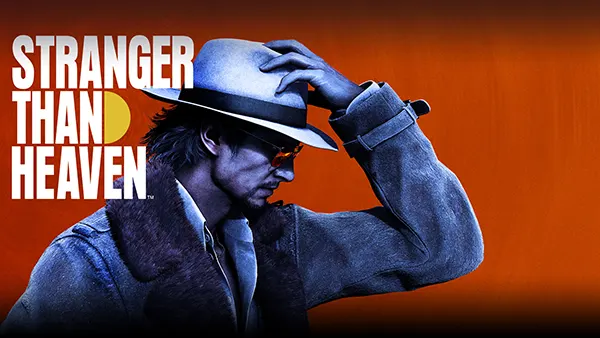
Stranger Than Heaven: Why the New Game from the Yakuza Creators Could Become the Defining Story Action Game of 2026
After several years of rumours, cryptic teasers and fan speculation, Ryu Ga Gotoku Studio finally revealed Stranger Than Heaven as one of its major projects for 2026. The developers behind the Yakuza and Like a Dragon series have built a reputation for combining emotional storytelling with street-level crime drama, eccentric side activities and cinematic combat systems. Early gameplay demonstrations already suggest that Stranger Than Heaven is not simply another variation of the studio’s established formula. Instead, it appears to be a darker, more ambitious action title that blends psychological tension, realistic urban exploration and character-driven storytelling in ways rarely seen in modern games.
A Different Direction for Ryu Ga Gotoku Studio
For more than a decade, the Yakuza franchise was closely associated with neon-lit districts, organised crime conflicts and exaggerated humour balanced against emotional personal stories. Stranger Than Heaven keeps some familiar DNA, particularly in its focus on human relationships and morally complicated protagonists, but the overall tone is noticeably more restrained and serious. The first trailers released during 2025 industry showcases highlighted quieter scenes, fragmented dialogue and environments that feel grounded rather than theatrical.
One of the most interesting changes is the game’s approach to pacing. Earlier Ryu Ga Gotoku productions often alternated dramatic cutscenes with absurd mini-games and comedic interruptions. Stranger Than Heaven appears to reduce that contrast considerably. According to interviews published by Japanese gaming magazines in early 2026, the studio wanted players to remain emotionally connected to the central narrative without constantly breaking immersion through tonal shifts.
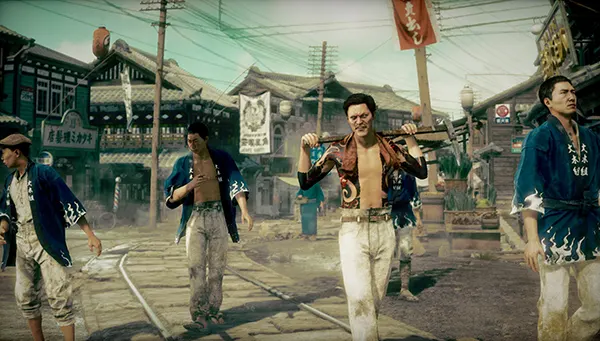
The technical evolution is equally significant. The studio’s updated Dragon Engine introduces denser crowds, improved lighting systems and more reactive interiors. Streets no longer function as decorative backgrounds. Shops close at night, weather conditions influence visibility and NPC routines change depending on story progression. These details may sound small individually, but together they create a world that feels alive rather than scripted.
Why the Narrative Structure Already Stands Out
Many modern action games rely on cinematic presentation, yet very few manage to maintain narrative consistency across dozens of gameplay hours. Stranger Than Heaven seems designed around a different philosophy. Instead of overwhelming players with constant action sequences, the story reportedly focuses on psychological pressure, uncertainty and gradual emotional escalation.
The protagonist is not presented as an unstoppable hero. Early information suggests that the central character struggles with memory fragmentation, paranoia and conflicting personal motivations. This creates a more vulnerable perspective compared to traditional action leads. In practical terms, conversations and exploration appear just as important as combat encounters. Several preview sessions mentioned that players can influence relationships through small dialogue choices and observational interactions rather than obvious morality systems.
Another factor that separates the game from many competitors is its use of environmental storytelling. Apartments, abandoned buildings and public spaces contain visual clues connected to the wider narrative. Rather than relying entirely on exposition-heavy dialogue, the game encourages players to piece together emotional context from subtle details. This slower and more methodical storytelling approach could become one of the title’s defining strengths in 2026.
Combat, Exploration and the Shift Toward Realism
Although story remains central, Stranger Than Heaven still positions itself as a large-scale action experience. Combat footage shown during recent events demonstrates a heavier and more deliberate system compared to the fast arcade-style fighting associated with older Yakuza entries. Animations have greater physical weight, while environmental interactions appear more grounded and less exaggerated.
The game also introduces a stronger investigative component. Players reportedly gather evidence, analyse conversations and revisit locations to unlock additional context. These mechanics are integrated directly into exploration rather than separated into scripted detective segments. This design choice helps maintain immersion and supports the overall atmosphere of uncertainty surrounding the protagonist’s journey.
Urban exploration itself seems considerably more detailed than in previous Ryu Ga Gotoku titles. Instead of presenting cities primarily as combat arenas and mini-game hubs, Stranger Than Heaven treats its environments as emotional spaces connected to the story. Lighting, ambient noise and weather effects contribute to tension in a way that resembles psychological thriller cinema more than traditional open-world action games.
The Importance of Atmosphere in Modern Action Games
Over the past few years, many large-budget games have focused heavily on scale. Massive maps, hundreds of side activities and endless progression systems became common industry trends. Stranger Than Heaven appears to reject that design philosophy. Instead of building the biggest possible world, Ryu Ga Gotoku Studio seems more interested in creating a believable and emotionally coherent one.
This decision could work strongly in the game’s favour. Players increasingly respond positively to titles that value atmosphere and pacing over excessive content volume. Games such as Alan Wake 2 and Cyberpunk 2077: Phantom Liberty demonstrated that mature storytelling combined with carefully directed environments can leave a stronger impression than oversized worlds filled with repetitive objectives.
The audio direction also deserves attention. Early previews highlighted restrained music design, environmental silence and realistic city sounds as important components of tension. Rather than using constant orchestral tracks to force emotion, Stranger Than Heaven often allows quiet moments to dominate scenes. This restraint gives dramatic sequences more impact and helps establish a distinct identity within the modern action genre.
Why Stranger Than Heaven Could Define 2026
The gaming industry in 2026 is crowded with sequels, live-service projects and visually impressive but mechanically familiar releases. Stranger Than Heaven arrives at a moment when many players are searching for story-driven experiences that feel personal and carefully authored. Ryu Ga Gotoku Studio already has a loyal audience, but this project may allow the developer to reach a much broader market.
Part of that potential comes from timing. Narrative-focused action games with mature themes continue attracting strong attention from both critics and players. At the same time, audiences have become more selective about formulaic open-world structures. Stranger Than Heaven appears positioned between cinematic storytelling and interactive realism, which could help it stand out in an increasingly repetitive market.
The game’s success will ultimately depend on execution rather than marketing promises. However, based on current information, Ryu Ga Gotoku Studio seems fully aware of the risks involved in evolving beyond the traditional Yakuza identity. Instead of simply repeating familiar ideas, the developers are attempting to build a more emotionally grounded experience that reflects changes in player expectations across the industry.
Can Stranger Than Heaven Become a Long-Term Reference Point?
If the final release delivers on its early demonstrations, Stranger Than Heaven may influence how future action games approach storytelling and pacing. Many studios continue prioritising spectacle above emotional consistency. Ryu Ga Gotoku Studio appears to be moving in the opposite direction by focusing on character psychology, environmental detail and believable tension.
There is also growing interest in games that blur genre boundaries without losing mechanical focus. Stranger Than Heaven combines action combat, investigative systems and psychological drama without presenting itself as a traditional role-playing game or survival horror title. That hybrid structure could encourage more developers to experiment with narrative design outside conventional categories.
Most importantly, the project already feels creatively ambitious in a market often dominated by safe commercial decisions. Whether Stranger Than Heaven becomes the defining action game of 2026 will depend on its full release, but the available evidence suggests that Ryu Ga Gotoku Studio is preparing one of its most mature and technically sophisticated titles to date.