Mobile Gaming in 2026: Can Valorant Mobile and Rainbow Six Mobile Reshape the Market?
The mobile gaming sector in 2026 has reached a point where technical limitations are no longer the main barrier to delivering complex, competitive experiences. With smartphones now capable of handling advanced graphics engines and stable online play, major publishers are pushing tactical shooters onto mobile devices. Two of the most anticipated releases, Valorant Mobile and Rainbow Six Mobile, are often discussed as potential catalysts for change. Their arrival raises a practical question: can they influence player expectations and alter the structure of the mobile gaming market?
The Current State of Mobile Gaming in 2026
Mobile gaming revenue continues to dominate the global games industry, accounting for more than half of total market income according to recent industry reports. Titles such as PUBG Mobile, Call of Duty Mobile, and Free Fire remain widely played, particularly in Asia and South America. However, these games largely rely on fast-paced mechanics and simplified tactical systems that suit short play sessions.
At the same time, hardware improvements have significantly expanded what developers can achieve. High refresh rate screens, improved cooling systems, and advanced mobile chipsets allow for more precise controls and better visual fidelity. As a result, developers are no longer restricted to arcade-style gameplay and can begin introducing deeper mechanics traditionally associated with PC and console titles.
Another key trend is the growing importance of cross-platform ecosystems. Players increasingly expect progression, cosmetics, and social features to carry across devices. This expectation puts pressure on new mobile releases to match the depth and continuity offered by established franchises.
How Player Expectations Are Changing
Players in 2026 are more experienced and selective than in previous years. Many mobile users have already interacted with competitive shooters on PC or console, which shapes their expectations for balance, controls, and fairness. This shift makes it harder for developers to rely solely on accessibility as a selling point.
Touch controls remain a challenge, particularly for tactical shooters that require precision aiming and coordinated team play. However, improvements such as adaptive sensitivity systems and optional controller support are gradually closing the gap. Developers now design interfaces that prioritise clarity and responsiveness rather than simplifying mechanics.
There is also a stronger demand for competitive integrity. Matchmaking systems, anti-cheat measures, and ranked progression are no longer optional features. Players expect structured environments that reward skill rather than time spent or in-game purchases.
Valorant Mobile: Translating Tactical Precision to Mobile
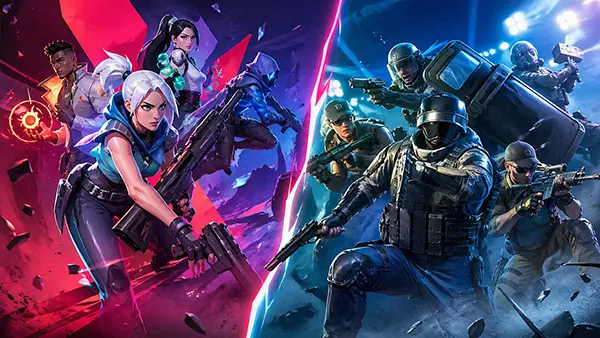
Valorant Mobile represents Riot Games’ attempt to bring a highly structured, ability-based shooter to handheld devices. The original PC version is known for its precise gunplay and strict tactical pacing, which makes adaptation particularly challenging. Early testing phases suggest that the mobile version aims to retain core mechanics rather than simplify them.
One of the main design challenges lies in balancing agent abilities with touch controls. Each character has unique skills that require quick activation and situational awareness. Developers have introduced contextual UI elements to reduce input complexity while maintaining strategic depth.
Riot’s approach also includes strong integration with its existing ecosystem. Account linking, shared cosmetics, and synchronised progression systems are expected to play a central role. This strategy reflects a broader industry trend where mobile versions are treated as extensions of established franchises rather than standalone products.
Competitive Potential and Esports Integration
Valorant Mobile is being developed with competitive play in mind from the outset. Structured ranked modes, seasonal updates, and balance patches are expected to mirror the PC version. This alignment could make it easier for players to transition between platforms without relearning core systems.
Esports is another critical factor. Riot Games has a history of building organised competitive ecosystems, and early indications suggest a similar approach for mobile. Regional tournaments and grassroots competitions may emerge quickly, particularly in markets where mobile esports are already established.
However, maintaining competitive integrity on mobile presents unique challenges. Device performance differences, network stability, and input methods can all affect fairness. Addressing these issues will determine whether the game can sustain a long-term competitive scene.
Rainbow Six Mobile: Tactical Depth in a New Format
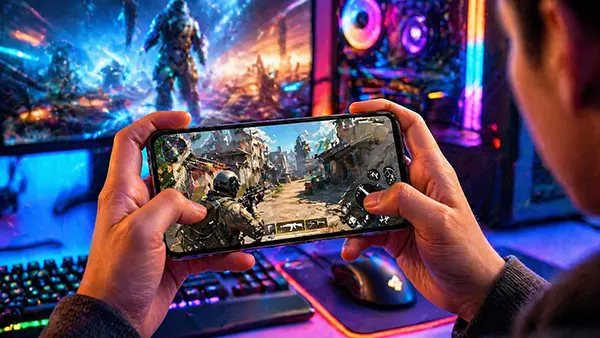
Rainbow Six Mobile, developed by Ubisoft, focuses on bringing team-based tactical gameplay to a wider audience. Unlike faster-paced shooters, the Rainbow Six series is built around strategy, environmental interaction, and coordinated team actions. Translating this approach to mobile requires careful adaptation rather than direct replication.
The mobile version introduces shorter match formats and streamlined maps while preserving core mechanics such as destructible environments and operator abilities. This balance aims to make the game accessible without removing its strategic identity.
Ubisoft has also prioritised onboarding systems. Tutorials, guided matches, and simplified early gameplay phases are designed to help new players understand complex mechanics. This approach reflects the need to bridge the gap between experienced fans and newcomers.
Market Impact and Long-Term Viability
Rainbow Six Mobile has the potential to expand the tactical shooter audience on mobile devices. By offering a different pace and focus compared to existing titles, it may attract players who prefer strategy over reflex-based gameplay. This differentiation could help it establish a stable position in the market.
Long-term success will depend on consistent content updates and community engagement. New operators, maps, and seasonal events are essential for maintaining player interest. Ubisoft’s experience with live service models suggests a structured update cycle will be a key component.
There is also the question of monetisation. Players are increasingly critical of aggressive in-game purchases, particularly in competitive environments. A balanced system that avoids pay-to-win mechanics will be crucial for maintaining trust and long-term engagement.